A dead battery mid-session is the fastest way to kill the mood. Most rechargeable sex toy battery life problems are avoidable. A few simple habits — charge to 80%, unp...
View More


Relationships are exciting, but they can also bring uncertainty.
Have you ever sent a text and immediately started wondering why they haven't replied yet?
Maybe you've checked your phone several times in an hour, replayed your last conversation in your mind, or convinced yourself that one delayed response means someone has lost interest.
If this sounds familiar, you're not alone.
Many people experience relationship anxiety, especially during the early stages of dating. While everyone feels insecure occasionally, some people experience these emotions more intensely because of what's known as an anxious attachment style.
The good news is that understanding these patterns can help you build healthier relationships not only with your partner but also with yourself.
In this guide, we'll explore what anxious attachment is, how it affects dating, practical ways to manage it, and why self-care including healthy solo intimac can play an important role in building confidence.
Attachment styles describe how people experience emotional closeness, trust, and connection.
They often develop through early life experiences and continue influencing friendships, dating, and long-term relationships.
People with an anxious attachment style usually desire closeness and emotional connection. However, they may also worry about rejection, abandonment, or whether their partner truly cares about them.
This doesn't mean something is "wrong."
It simply means uncertainty can feel more emotionally intense.
Many people with anxious attachment are loving, loyal, and deeply caring partners. The challenge is learning to feel secure without depending entirely on another person's actions for emotional reassurance.
Relationship anxiety can come from many different experiences.
Some common causes include:
These experiences can make new relationships feel uncertain, even when nothing is actually wrong.
Your brain may try to protect you by constantly searching for signs that something could go wrong.
Unfortunately, this often creates stress instead of safety.
Everyone experiences relationships differently, but these behaviors are common among people with anxious attachment.
You send a message.
Ten minutes pass.
Then thirty.
Suddenly your mind starts creating stories.
"They're losing interest."
"They're talking to someone else."
"I shouldn't have sent that."
In reality, they may simply be busy at work.
Learning to separate facts from assumptions is one of the biggest steps toward healthier dating.
Everyone enjoys hearing "I like you."
But if you regularly feel the need to ask:
your emotional security may be relying too heavily on another person's responses.
Healthy reassurance is comforting.
Constant reassurance can become exhausting for both partners.
Sometimes emotional investment happens before the relationship has had time to develop naturally.
You may already imagine a future together after only a few dates.
While optimism isn't a bad thing, moving too fast emotionally can make disappointments feel much bigger.
People with anxious attachment sometimes prioritize the relationship above everything else.
Examples include:
Healthy relationships require balance not self-sacrifice.
Social media often makes comparison even harder.
You may wonder:
"Am I attractive enough?"
"What if they meet someone better?"
"Why did they like that person's photo?"
Comparison rarely creates confidence.
Instead, it often increases anxiety.

Emotional stress doesn't only affect communication.
It can also influence physical intimacy.
When your mind is constantly worrying about whether someone likes you, it becomes difficult to fully relax and enjoy moments of closeness.
Instead of being present, your attention stays focused on questions and fears.
Healthy intimacy grows best when both emotional safety and communication exist.
The goal isn't to stop caring.
The goal is learning that your happiness doesn't depend entirely on another person's behavior.
Some helpful habits include:
Continue investing in:
A relationship should complement your life not become your entire identity.
Instead of expecting your partner to guess your feelings, communicate openly.
For example:
Instead of saying:
"You never text me."
Try:
"I sometimes feel anxious when communication suddenly changes. I'd love to understand what works best for both of us."
Honest conversations create understanding instead of conflict.
Before reacting emotionally, ask yourself:
These questions help separate facts from fear.
One of the healthiest things you can do whether you're single or dating—is continue learning about yourself.
Self-discovery isn't only emotional.
It also includes understanding your own body, preferences, comfort level, and personal boundaries.
When you feel more connected to yourself, you become less dependent on external validation.
That confidence often carries into romantic relationships.

Solo intimacy can be a healthy part of self-care for many adults.
It allows you to slow down, reduce everyday stress, and better understand what feels comfortable and enjoyable for your own body.
Rather than replacing intimacy with a partner, solo exploration can help build body awareness and confidence, making it easier to communicate your preferences in future relationships.
For many men, modern automatic male masturbators provide a more personalized and immersive experience than traditional manual stimulation.
At OTOUCH, we believe sexual wellness is part of overall well-being.
Our collection of automatic male masturbators is designed to provide innovative features, comfortable materials, and customizable stimulation to help users enjoy private moments of relaxation and self-discovery.
Whether you're exploring solo intimacy for the first time or looking to upgrade your experience, OTOUCH offers options designed for different preferences.
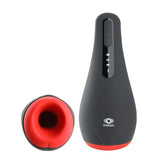
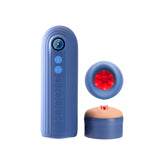
If you're new to automatic male masturbators, the AIRTURN 2 offers a beginner-friendly experience with intuitive controls and multiple stimulation modes.
Its ergonomic design and soft internal sleeve make it a comfortable choice for users looking to explore hands-free pleasure at their own pace.
Perfect for:
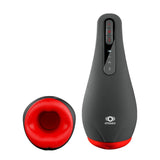
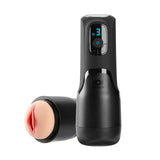
The AIRTURN 4 Gen 2 is designed for users who enjoy greater control over their experience.
With multiple suction and vibration settings, users can explore different stimulation patterns based on their personal preferences.
Features include:
Its customizable design allows users to create a more personalized solo experience.
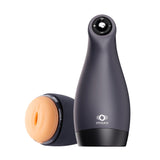
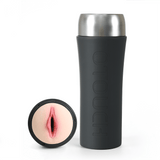
The INSCUP 4 Gen 2 combines intelligent suction technology with a compact, modern design.
Users appreciate its simple controls, comfortable silicone sleeve, and multiple stimulation modes, making it suitable for both beginners and experienced users alike.
Its compact design also makes storage and maintenance convenient.
One of the biggest misconceptions about relationships is believing another person will "fix" insecurity.
Healthy relationships certainly provide love and support.
But confidence grows from within.
When you invest in your physical health, emotional well-being, personal goals, and sexual wellness, you naturally become more secure.
That security creates stronger relationships because you're choosing someone from confidence not fear.
Yes. Many people develop more secure relationship patterns through self-awareness, healthy communication, and positive relationship experiences.
Absolutely. Dating naturally involves uncertainty. The key is recognizing when anxiety begins controlling your thoughts or behaviors.
Yes. Activities that improve emotional well-being, physical health, and self-understanding often contribute to greater confidence in relationships.
Not at all. Many people use them whether they are single or in relationships as part of their personal sexual wellness and self-exploration.
Anxious attachment doesn't define who you are, and it certainly doesn't determine the quality of your future relationships.
Understanding your emotions, communicating openly, maintaining your own identity, and investing in self-care are all important steps toward building healthier connections.
Remember that confidence starts with knowing yourself.
Whether that means setting healthier boundaries, pursuing your goals, or exploring your own preferences through safe and comfortable solo intimacy, every step you take toward self-understanding helps create stronger, more fulfilling relationships.
At OTOUCH, we believe that confidence, self-discovery, and sexual wellness all play a role in living a balanced and satisfying life. Our range of innovative male masturbators including the AIRTURN 2, AIRTURN 4 Gen 2, and INSCUP 4 Gen 2 is designed to support your personal journey with comfort, quality, and modern technology.

OTOUCH AIRTURN 2 Male Masturbator — Precision Engineered. Deeply Satisfying.Introducing the ...
Shop
YU BattleHelm — All-in-One Pleasure Set with Fingertip Remote, Vibrating Extender & Wire...
Shop
Submarine: An Automatic Thrusting Masturbator Built for Water Most automatic male ma...
Shop
OTOUCH AIRTURN 4 — Automatic Suction & Vibration Male Masturbator AIRTURN 4 is built aro...
Shop
CHIVEN 2 – Heating Oral Male Masturbator for Customizable Solo PleasureDesigned for men who ...
Shop
Experience Unmatched Pleasure with the INSCUP 4 – Premium Male Masturbator with Suction Tech...
Shop
Macho Work 2 Glans Massager — Targeted. Intense. Built for Performance.Most male toys go bro...
Shop
NINJA 2 – Inflatable Male Masturbator with Adjustable Tightness & 7 Vibration ModesThe O...
Shop| Produkt | Artikelnummer | Beschreibung | Kollektion | Verfügbarkeit | Produkttyp | Weitere Details |
|---|