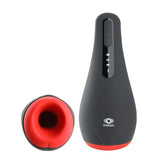
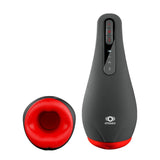
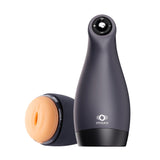
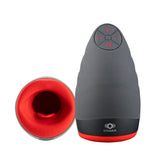
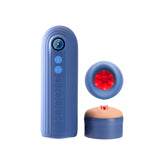
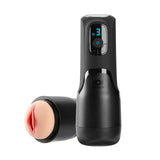
A dead battery mid-session is the fastest way to kill the mood. Most rechargeable sex toy battery life problems are avoidable. A few simple habits — charge to 80%, unp...
View More


Medically reviewed for accuracy · Updated 2026 · 9 min read
Ask ten men what "sexual wellness" means, and you'll probably get ten different answers. Some think of it as physical performance. Others picture confidence, or a healthy relationship, or just not having anything to worry about. Here's the thing: they're all a little bit right, and that's exactly why the term causes so much confusion.
This guide breaks down what male sexual wellness actually means in 2026, why it's become such a mainstream topic, and what you can realistically do to take care of this part of your health — without the awkwardness or the outdated stigma that used to surround it.
The World Health Organization defines sexual health as a state of physical, emotional, mental, and social well-being related to sexuality — not simply the absence of disease or dysfunction. That's a broader definition than most people expect, and it's an important one. Sexual wellness isn't just about whether your body "works." It's about how you feel in your own skin, how you communicate with a partner, and whether this part of your life adds to your overall well-being instead of causing stress.
For men specifically, sexual wellness tends to sit at the intersection of four areas:
Miss any one of these, and the other three tend to suffer along with it. That's why treating sexual wellness as "just physical" usually leads nowhere.
For a long time, male sexual health lived in an awkward corner of the internet, wedged between locker-room jokes and medical taboo. That's changed fast. Therapy is normalized. Wellness apps track everything from sleep to testosterone. And more men are willing to say, out loud, that they want to understand their bodies better instead of just guessing.
We've written before about how male sexual wellness became a multi-billion-dollar mainstream category, and the short version is this: demand didn't appear overnight. It was always there. What changed was men's willingness to talk about it and companies' willingness to design products that treat the topic with the same seriousness as any other health category.
Sexual function isn't isolated from the rest of your body. A few factors consistently show up in medical literature as meaningful influences:
None of this is exotic advice. It's the same foundation as general health — sleep, move, manage stress, see a doctor when something feels off. The difference is that most men never connect these dots to their sexual wellness specifically.
Performance anxiety is one of the most common, least discussed issues in male sexual health. It's also one of the most self-reinforcing: worrying about performance often causes the exact problem a man is worried about, which then increases the worry next time.
We covered this in depth from a professional's point of view in our interview on men, sex toys, and the pressure to perform. The core idea worth repeating here: sexual confidence is built through low-pressure, private experience — not through forcing yourself to "perform" under stress.
This is also where solo exploration fits in. Understanding your own body's responses, at your own pace and without an audience, is a legitimate and widely recommended way to reduce performance anxiety and build a healthier relationship with your own sexuality.
You don't need a complicated plan. A realistic starting point looks like this:

AIRTURN 2 — A Practical Starting Point
Dual heating, adjustable suction, and an OLED display make this a straightforward option for men exploring solo wellness for the first time.
View AIRTURN 2 →Is it normal to think about this more as I get older?
Yes. Sexual wellness naturally becomes more front-of-mind as hormone levels, relationships, and life circumstances shift. That's not a sign anything is wrong — it's a normal part of aging.
Do sexual wellness products replace a relationship?
No, and they're not designed to. Most men use them as a complement to their sex life, a tool for solo exploration, or a way to reduce performance pressure — not a substitute for intimacy with a partner.
When should I see a doctor instead of just researching online?
If changes in desire, function, or comfort persist for more than a few weeks, or come with other symptoms like pain or fatigue, that's worth a real conversation with a healthcare provider rather than continued self-research.
Male sexual wellness isn't a niche topic anymore, and it was never as complicated as the silence around it made it seem. It's physical health, mental health, and honest self-awareness, working together. Start with the basics, use products designed with body safety in mind, and don't be afraid to ask questions — of a doctor, a partner, or yourself.
Ready to explore where to start? Browse our full men's wellness collection or read our beginner's guide to getting started.
Sources: World Health Organization — Defining Sexual Health; American Sexual Health Association; National Institutes of Health, PMC research on sexual health and wellbeing. This article is for general educational purposes and is not a substitute for professional medical advice.

OTOUCH AIRTURN 2 Male Masturbator — Precision Engineered. Deeply Satisfying.Introducing the ...
Shop
YU BattleHelm — All-in-One Pleasure Set with Fingertip Remote, Vibrating Extender & Wire...
Shop
Submarine: An Automatic Thrusting Masturbator Built for Water Most automatic male ma...
Shop
OTOUCH AIRTURN 4 — Automatic Suction & Vibration Male Masturbator AIRTURN 4 is built aro...
Shop
CHIVEN 2 – Heating Oral Male Masturbator for Customizable Solo PleasureDesigned for men who ...
Shop
Experience Unmatched Pleasure with the INSCUP 4 – Premium Male Masturbator with Suction Tech...
Shop
Macho Work 2 Glans Massager — Targeted. Intense. Built for Performance.Most male toys go bro...
Shop
NINJA 2 – Inflatable Male Masturbator with Adjustable Tightness & 7 Vibration ModesThe O...
Shop| Product | SKU | Description | Collection | Availability | Product type | Other details |
|---|