The $4.1B Cultural Reset: Why Male Sexual Wellness Finally Went Mainstream in 2026
For decades, male sexual self-care existed in a cultural dead zone. It sat tucked away in dark corners of the internet, spoken about only through hushed euphemisms, cheap jokes, or private shame. Men bought novelties made of questionable industrial materials, kept them hidden in shoe boxes, and never dared to bring them up in casual conversation.
That era is officially over.
In 2026, male sexual wellness isn't just out of the closet it’s sitting alongside fitness trackers, sleep aids, and cold-plunge tubs as an essential pillar of modern health. The global male pleasure device market has officially crossed the $4.1 billion threshold, with male masturbators holding a massive 38.7% share of the total adult wellness market.
Even more revealing? Over 54.2% of market revenue now comes from premium-tier devices priced above $100 tools equipped with body-temperature heating, dynamic suction, and medical-grade materials. Men aren't looking for cheap tricks anymore; they are investing serious money into health, realism, and experience.
So, how did a topic wrapped in centuries of taboo become one of the fastest-growing sectors in global consumer wellness? Let’s break down the shift.
The Silence Was Never About Disinterest
The demand for male intimate self-care didn't suddenly appear overnight. What was missing was cultural permission.
While female sexual empowerment rightfully cleared a path over the past decade transforming vibrators from taboo novelties into sleek, medical-grade lifestyle productsmale self-care lagged behind. Society gave men a pass to discuss gym gains, cold showers, and testosterone levels, but drew the line at sexual self-exploration.
The gap between what men actually wanted and what they felt allowed to say created a quiet revolution. As Chalim Huang, CEO of OTOUCH, noted in an interview with EAN Magazine:
"In the past, the sexual wellness industry was largely perceived as a female-oriented market. Products designed for men were often marginalized limited in variety, simplistic in design, and rarely discussed openly. In recent years, however, this perception has begun to shift significantly."
That shift wasn't an accident. It was the result of three powerful cultural and technological forces colliding at once.
3 Forces Driving Male Wellness Out of the Shadows
1. The Normalization Cascade
Once adjacent wellness practices became routine, it was only a matter of time before sexual health followed. When tracking REM sleep with smart rings, meditating via apps, and discussing mental health in the workplace became normal, the barriers around sexual health collapsed.
Men realized that sexual wellness isn't isolated it is intimately connected to stress reduction, sleep quality, prostate health, and pelvic floor strength. The stigma simply lost its grip.
2. The Generational Mindset
Millennial and Gen Z men view their bodies through a research-driven, holistic lens. Raised with unlimited access to health information, they view a high-tech male masturbator no differently than a foam roller, a continuous glucose monitor, or a premium whey protein. It’s a tool for body maintenance, stress release, and self-care. Period.
3. Crossing the Quality Threshold
You don't recommend products you're embarrassed by. In the past, poorly engineered devices that smelled of harsh chemicals actively hurt consumer trust.
The turning point came when engineering discipline replaced cheap manufacturing. When manufacturers began incorporating medical-grade silicone, whisper-quiet motor systems, and responsive heating elements, the category stopped being a punchline and started earning respect.
From "Function-Driven" to "Experience-Driven": The Product Evolution
To understand where male intimate devices are today, it helps to look at how far the engineering has come over the past 15 years.
| Period | Cultural Status | Market Characteristics | Defining Shift |
| Pre-2010 | Taboo & hidden | Unregulated materials, budget novelties | Zero mainstream presence |
| 2010–2015 | Niche / Coded | First premium entrants emerge | Fleshlight establishes a basic quality tier |
| 2015–2020 | Growing | Smart connectivity, heating, & suction | OTOUCH introduces first body-temperature heating |
| 2020–2023 | Wellness Framing | Media coverage, rapid premium growth | Recognized in mainstream men's health media |
| 2024–2026 | Mainstream | $4.1B Market; 54.2% revenue in $100+ tier | High acceptance, focus on structural realism & discretion |
Historically, the market was Function-Driven. Brands competed on raw numbers: How many modes does it have? How fast is the motor? The goal was simply to deliver maximum intensity, often resulting in noisy, over-stimulating devices that felt anything but natural.
Today, we are in the Experience-Driven Era. Modern users don't care about specification stacking they care about authenticity, comfort, and realism.
As Chalim Huang puts it:
"Instead of merely pursuing higher specifications or more powerful parameters, we have begun to focus on which structural designs and interaction mechanisms can truly be perceived, appreciated, and sustained by users over time."
Tech That Serves Sensation (Not Just Spec Sheets)
The technological leap forward isn't about adding gimmick features; it's about solving real sensory disconnects:
-
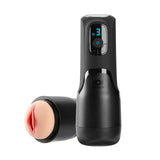
Eliminating "Cold Shock": Standard silicone creates an immediate, artificial cold feeling upon contact. Integrating body-temperature heating (38–45°C) mimics natural warmth, removing the sensory disconnect instantly.
-
Dynamic Compression & Suction: Instead of a simple one-way vacuum pull, second-generation devices use active airbag compression that contracts in sync with suction depth. This simulates natural two-way physiological feedback.
-
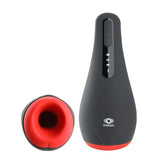
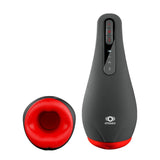
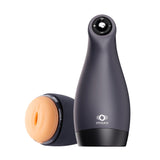
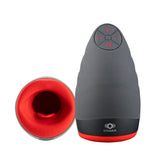
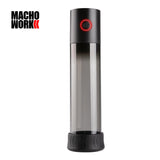
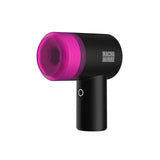
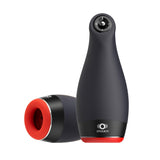
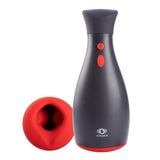
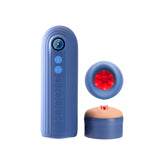
Discreet Design Languages: Devices like the 2026 AIRTURN 4 incorporate magnetic key-lock systems and sleek, minimalist exteriors. Placed on a nightstand or bookshelf, they resemble premium smart home items rather than intimate tools, solving privacy concerns at the design level.
The Verdict: Self-Care Built on Science, Not Shame
If you’ve been curious about modern male wellness tools but hesitant to explore them, 2026 is the best time to enter the conversation.
The shift happening across the industry isn't marketing spin it’s a long-overdue alignment between physical health, modern engineering, and human nature. Today’s devices aren't built to overpower your senses; they are built to mirror real physiological experiences, reduce stress, and fit seamlessly into a balanced lifestyle.
The conversation has changed. The engineering has elevated. The taboo has broken.
Male sexual health is health it’s time we treated it that way.